
Democracy and Moral Injury
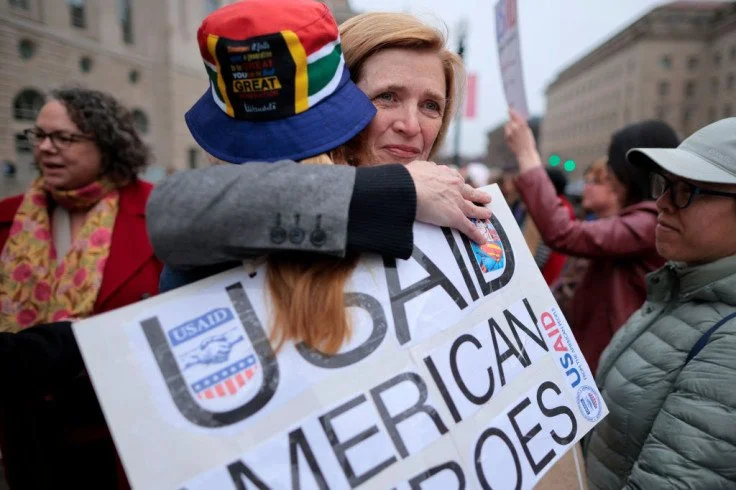
"The acute food insecurity in Sudan today affects probably over 25 million people. A subset of those people are living in famine conditions. They're going to die, and the fact that we stopped or we've reduced our food aid under this administration is tragic,” said a former U.S. foreign service officer. Nearly 85 percent of USAID programs were terminated in the first half of 2025. Of about 10,000 USAID workers worldwide, only a few hundred were left. Many reported feeling a sense of betrayal. As one reflected: “When you’ve dedicated your career to a federal job … and you are in it because you care about the work that you do [and] all being gone within a span of a couple of days, and then you have to pick up the pieces of your life, that is a huge betrayal.”
These feelings are common signs of what is called moral injury. Originally described in military settings, it is defined as a profound sense of broken trust in oneself, leaders, governments and/or institutions to act in just and morally good ways. Those asked to follow policies and take actions that violate their own moral code are prone to moral injury. Among its symptoms are feelings of personal guilt, shame, and contempt and anger against those who’ve created the situation they faced. Moral injury can lead to feelings of hopelessness, problems with sleeping, depression, substance abuse and in the worst cases suicide.
The instance and impact of moral injury in the military has shown up recently among some involved in attacks on boats in the Caribbean who carry alleged narcotraffickers. Steve Woolford, a resource counselor with Quaker House in North Carolina and the GI Rights Hotline, described two service members who contacted them: "Both of them also had moral concerns because they are people who are willing to be part of defense but they don't want to be part of doing something illegal, or I don't think they feel right killing people outside of the laws of war."
Moral injury exists in domestic government situations as well. The work of those in Immigration and Customs Enforcement (ICE) is a notable example. Reflecting on her own decision to leave ICE, Veronica Cardenas said it came to a “moral conflict.” “We all take oaths, right? When we step into that job, we are taking an oath to protect the Constitution and to follow the rule of law. And then when you get into that space, and you’re looking at these decisions that are being made, and the way that they’re being made: People are being harmed, people are dying in ICE detention, in custody. You have this conflict with yourself. These laws cannot be right, and I don’t want to enforce it anymore,’”
Other situations in which moral injury in government may occur include: (1) public health and medical workers being asked to ignore scientific evidence in treatments and vaccinations, (2) judges whose decisions to uphold the rule of law are ignored, (3) elected and appointed officials who feel powerless to address violations of law and ethics, (4) employees terminated in mass firings with no explanation; (5) current and former government employees whose programs and even agencies have been terminated without evidence-based arguments or the approval of Congress; and (6) members of government watchdog or advisory groups who have been summarily dismissed without cause.
Moral injury is more widespread than those who work or did work or for government. It occurs, for example, among everyday Americans who see parents separated from crying children in ICE raids, read stories of how those convicted of financial fraud have been pardoned and had their fines excused and how cuts to social programs are impacting the poor here and abroad.
The impacts of moral injury, especially when it is felt by large segments of the population and across a number of government institutions, pose challenges for democracy. Citizens feeling shame for what is being done and contempt for leaders and institutions they hold responsible may lose faith in government institutions, the Constitution and the rule of law. That can also threaten the ability to recruit talented people into government because prospective hires fear the consequences of accepting jobs.
Treating moral injury, we know from research in such fields as the military, health care and law enforcement, is neither easy nor fast. Some have called it “soul repair.” It can require a mixture of compassion, acceptance and gratitude for the good its sufferers have done, management of their stress and psychological counseling.
Preventing moral injury is clearly more desirable. That requires leaders to acknowledge its possibility and design policies and procedures that minimize the ethical dilemmas that may arise from them and offer explanations and listen to concerns before taking morally questionable actions. Leaders who instead ignore the likelihood of moral injury or attack its victims as complainers, failures or worthless just exacerbate the damage and its impacts on a democratic society.
Photo Credit: USAID Employees Outside Washington, D.C, Headquarters, Courtesy of LA Times
(If you do not currently subscribe to thinkanew.org and wish to receive future ad-free posts, send an email with the word SUBSCRIBE to responsibleleadr@gmail.com)