Fig Leaf Politics
On January 3rd, armed forces of the United States attacked Venezuela, captured its president and his wife and brought them to the United States. The U.S. had previously blockaded most of the country’s oil exports. A blockade is an act of war under international law as is an armed attack against a nation with who we are at peace. Instead of “war”, the Trump Administration called its actions “law enforcement,” referring to drug trafficking charges against the Maduros.
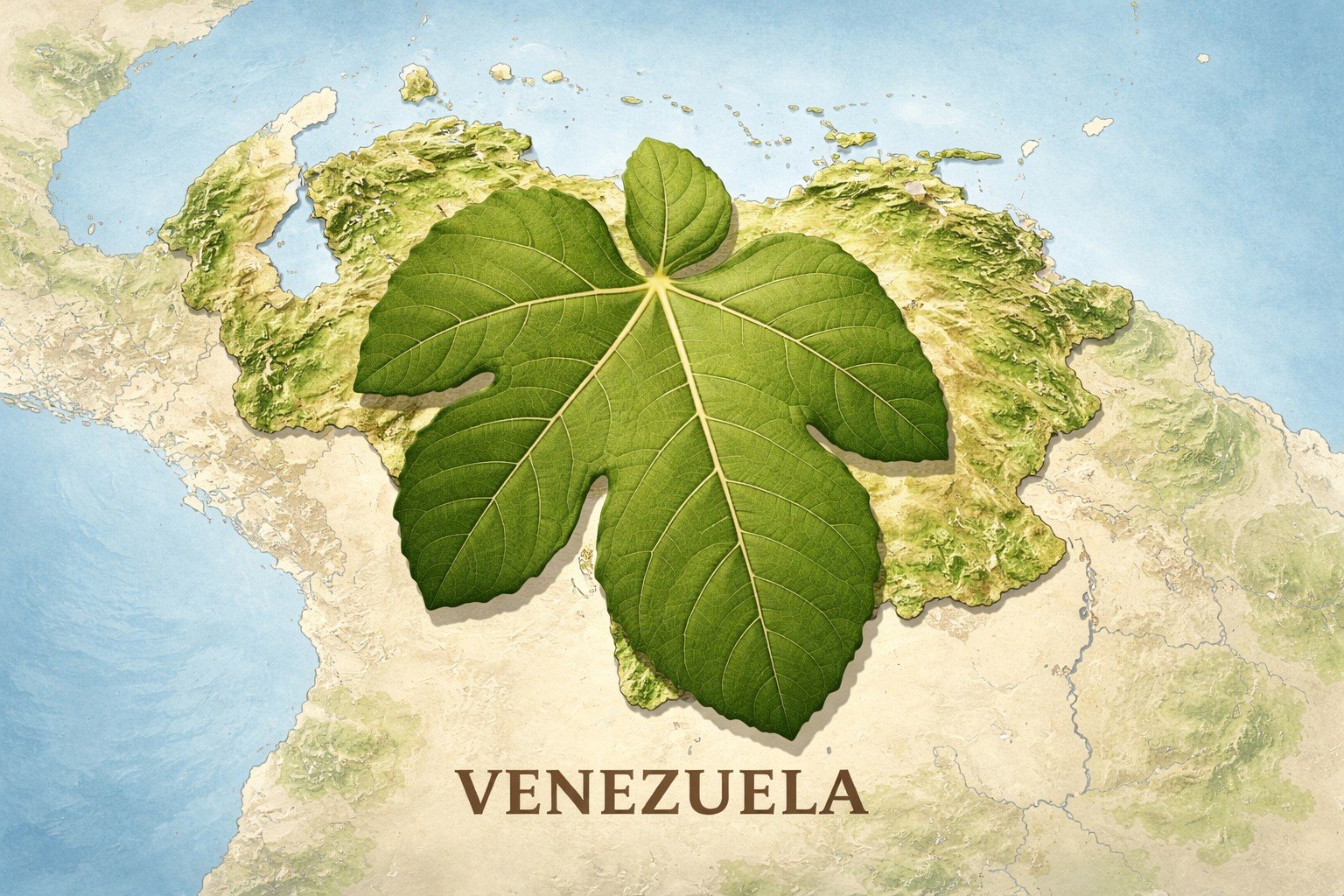
In Western Art, a fig leaf has sometimes been used to cover genitals if their depiction was considered improper, embarrassing or distasteful. In the modern era, the expression “it’s a fig leaf” has taken on another meaning. It’s connotes that a personal or political action that is dubious, unethical or illegal is being covered up to obscure or hide facts and its true intentions.
If the intention of the Trump Administration had been solely “law enforcement,” there would be no reason for it to proclaim its plan to now “run” Venezuela and manage its vast oil reserves. It would instead have welcomed the return of Maria Corina Machado, the opposition candidate who Maduro banned from running against him in 2024 and also called for Edmundo Gonzalez who beat Maduro handily in that election to be installed as president in a return to democracy and the rule of law in Venezuela.
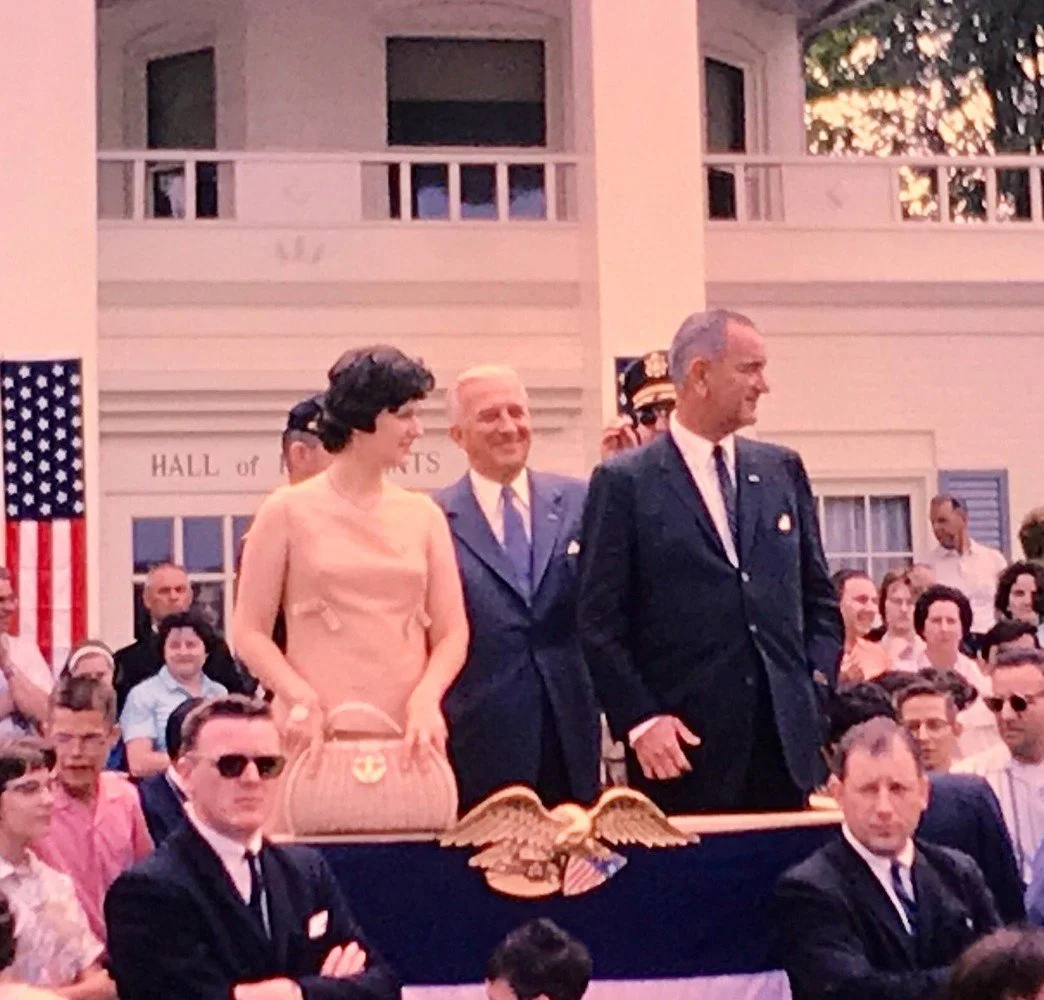
The use of “fig leaves” in the current administration is by no means the first time this tactic has been applied to cloak the actions of presidents. President Kennedy sought to topple the Castro regime in Cuba by launching a CIA-backed invasion force he portrayed as a popular uprising of the Cuban people. President Lyndon Johnson used the “fig leaf” of a purported 1964 North Vietnamese attack that never happened on U.S. destroyers in the Gulf of Tonkin to rationalize his planned escalation of the Vietnam War.
The Trump Administration has cloaked other actions with political fig leaves. Calling those who attacked the U.S. Capitol on January 6, 2021 by the name “patriots” was a fig leaf to justify pardoning even the most violent of them. Calling all undocumented immigrants “criminals” is a fig leaf to justify ICE arrests when that group commits crimes at lower rates than U.S. citizens. Indeed, many were in the country legally, had committed no crime and were apprehended while showing up as ordered for required court hearings.
Those who use a “fig leaf” understand that their actions might be illegal, politically troublesome and/or difficult for many to accept. To avoid criticism the fig leaf aims to portray their motivation as morally and legally upright. Using a political fig leaf relies on the expectation that most observers will not see - or seek to find - what it hides. As Lincoln is purported to have said: “You can fool all the people some of the time and some of the people all the time, but you cannot fool all the people all the time.” Those who use “fig leaves” assume the odds are with them.
“Fig leaves” are a threat to democracy regardless of whether the actions they hide end up leading to success. By their nature, they avert the democratic process of dialogue, debate, seeking a diversity of views and building public support. When they avoid the role of Congress they undermine the Constitutional separation of powers established as a defense against despotism.
“Fig leaves” can be ripped away when we apply critical thinking and democratic discussion. This is not that difficult for those with a questioning mind and in a culture that supports integrity, facts and respectful engagement. On the other hand, lying, ignoring evidence, encouraging conspiracy theories, personal attacks on opponents and employing the power of public office, social media and political influencers willing to evade or distort truth all harden a “fig leaf” in place.
Eleanor Roosevelt said that “in a democracy, no one does our thinking for us.” Fig leaves count on her being wrong. Democracy counts on citizens who won’t put up with fig leaves.
Photo Credit: Artwork created by ChatGPT