Many Americans Don’t Know Enough About Their History and Government
“If a nation expects to be ignorant & free, in a state of civilisation, it expects what never was & never will be.”
– Thomas Jefferson to Charles Yancey, January 6, 1816
During a visit to the U.S. Military Academy our guide reflected on the statues erected there to honor celebrated West Point graduates. He remarked at his disappointment with a recent high school class, none of whom on seeing the statue of Dwight D. Eisenhower knew who he was. Perhaps this should not be surprising; thirteen percent of adults think he was a general in the Civil War.
In contrast, Colin Williams and Mathew Meyers of Sprague High School in Salem, Oregon shared the top prize in last year’s “We the People: The Citizen and the Constitution National Finals,” conducted by the Center for Civic Education. The knowledge of this duo about Constitutional history, its contents and court interpretations astounded the judges since most competing teams from other states had twenty or more students.
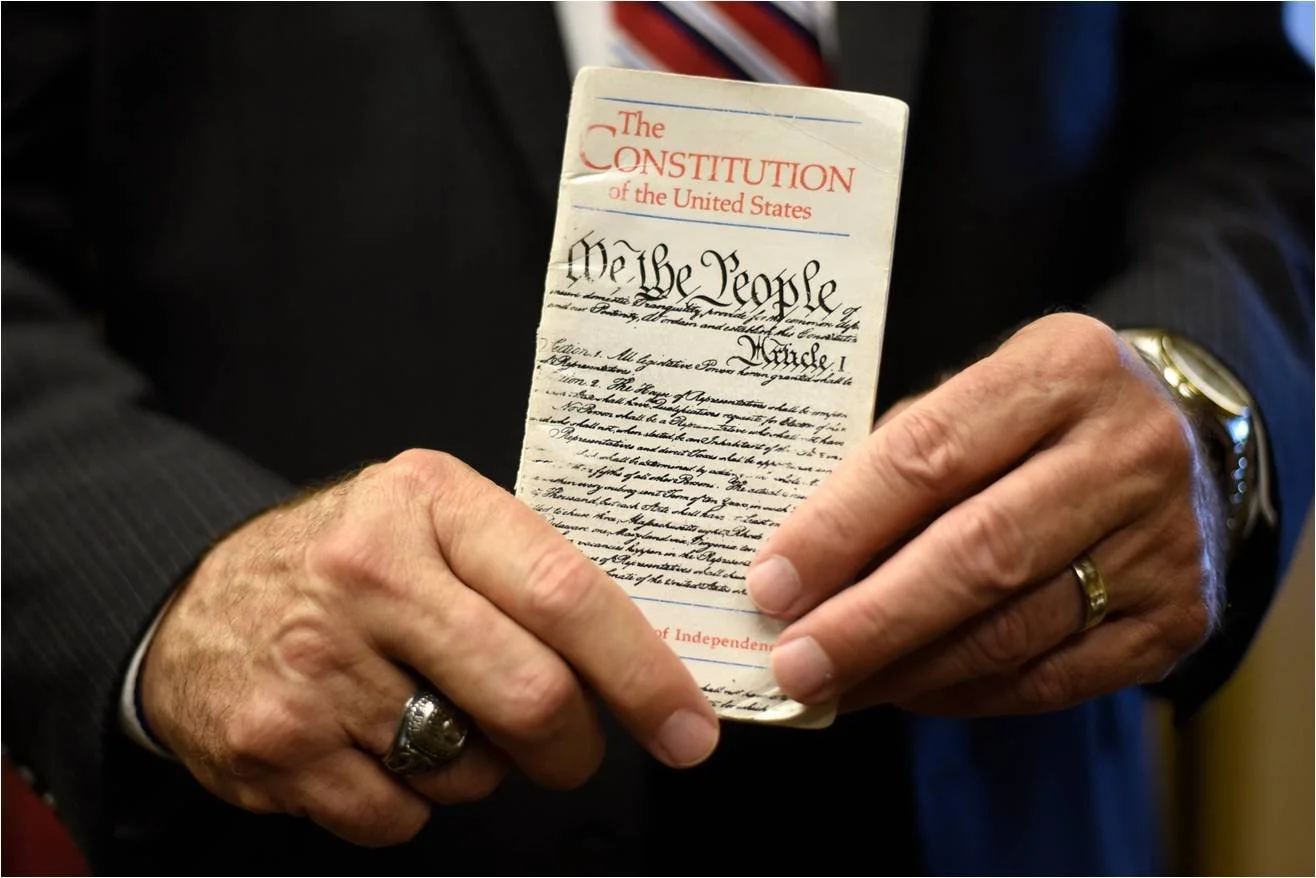
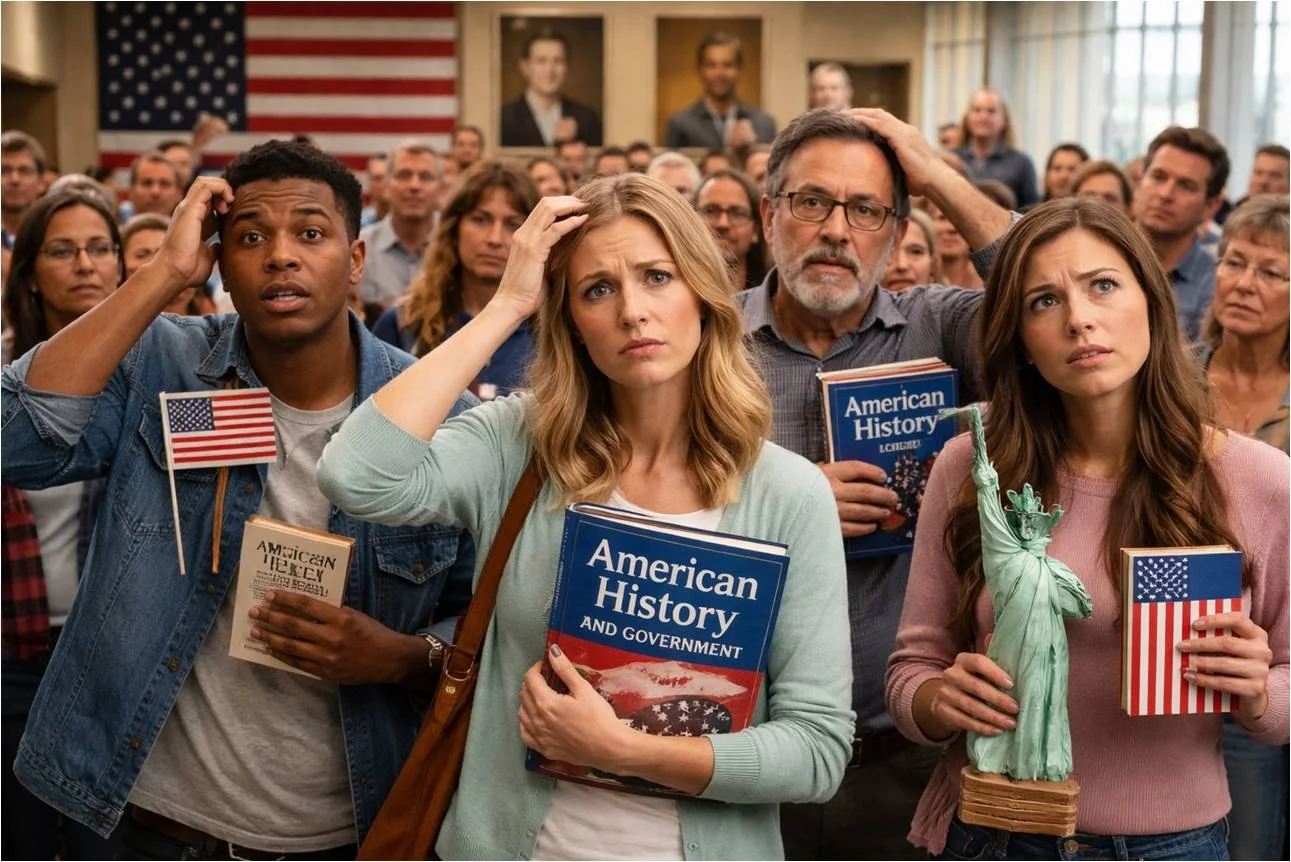
Americans don’t need that level of understanding to be good citizens, but they ought to be able to pass the government’s Citizenship Test administered to those seeking naturalization. Only 36 percent of American adults can do so; even more worrisome for our future, only 19 percent of those under 45 pass. In our polarized electorate where angry arguments about the Constitution and American history flood public conversations, it would be good if these arguments rested on a shared and accurate base of civic knowledge.
Knowledge deficits occur at all age levels:
· Only 22 percent of eighth graders score at the “proficient” level in civics on the National Assessment of Educational Progress and only 13 percent are “proficient” in U.S. history.
· Among college students, a study by the American Council of Trustees and Alumni found that less than a third know what branch of Congress declares war and less than 30 percent know where the phrase “Government of the people, by the people, for the people” comes from. Nearly two-thirds (60 percent) can’t correctly name the length of the terms of Senators and Representatives.
· While 79 percent of adults can name freedom of speech as a First Amendment right, less than 50 percent can name each of its other protections, with only 34 percent naming freedom of the press. Only 70 percent can name all three branches of government.
· A study by the U.S. Chamber of Commerce found that only 25 percent of Americans are “very confident” they can explain how our system of government works.
· A survey by the American Bar Association found 44 percent who said “We, the People” were the opening words of the Declaration of Independence, when it actually begins the Preamble to the Constitution.
With poor civic knowledge Americans become easy prey for those who wish to engage in lies, disinformation, conspiracy theories or other distortions of our history and government to generate support for or opposition to public policies and actions. There are multiple causes for poor civic knowledge.
The intense focus on reading, math and science at the pre-college level has come at some expense to sufficient instruction in civics. Only four states require a full year of civics instruction and an examination of civics knowledge for high school graduation. Thirty-two states require only a semester. In higher education, with its increasing focus on career preparation, only 19 percent of colleges and universities require a foundational course in U.S. history and government.
Citizens can of course gain civic knowledge through reading books, yet a 2023 survey found that only 54 percent of Americans reported reading at least one book in the past year. Only 36 percent of those said they read a book about history and only 22 percent read one about politics.
Nearly two-thirds of Americans (62 percent) get news about politics “often” or “extremely often” yet fewer people read newspapers that offer in-depth stories and more have turned to cable news and social media which offer less depth and a heightened emotional focus. Political polarization has led many to turn primarily to sources that fit with their politics, limiting their ability to think critically about a variety of views.
Loss of faith in most American institutions has been growing in recent years as has distrust in elites, including academic expertise in universities. This leads many to fall back on themselves. In a 2025 YouGov poll, 63 percent said that “Common sense is more important than expert analysis for deciding what the government should do.”
Confronting these and other causes of poor civic knowledge has become more essential as public conversation has deteriorated under seemingly unrelenting attacks on truth. Jefferson, an optimist about the future of self-government, said that “I steer my bark with Hope in the head, leaving Fear astern.” He believed knowledge would triumph over ignorance. If that is to happen, we have a lot of work to do.
Image Credit: ChatGPT