The Internet is awash with health information. Some of it is helpful but some is not.
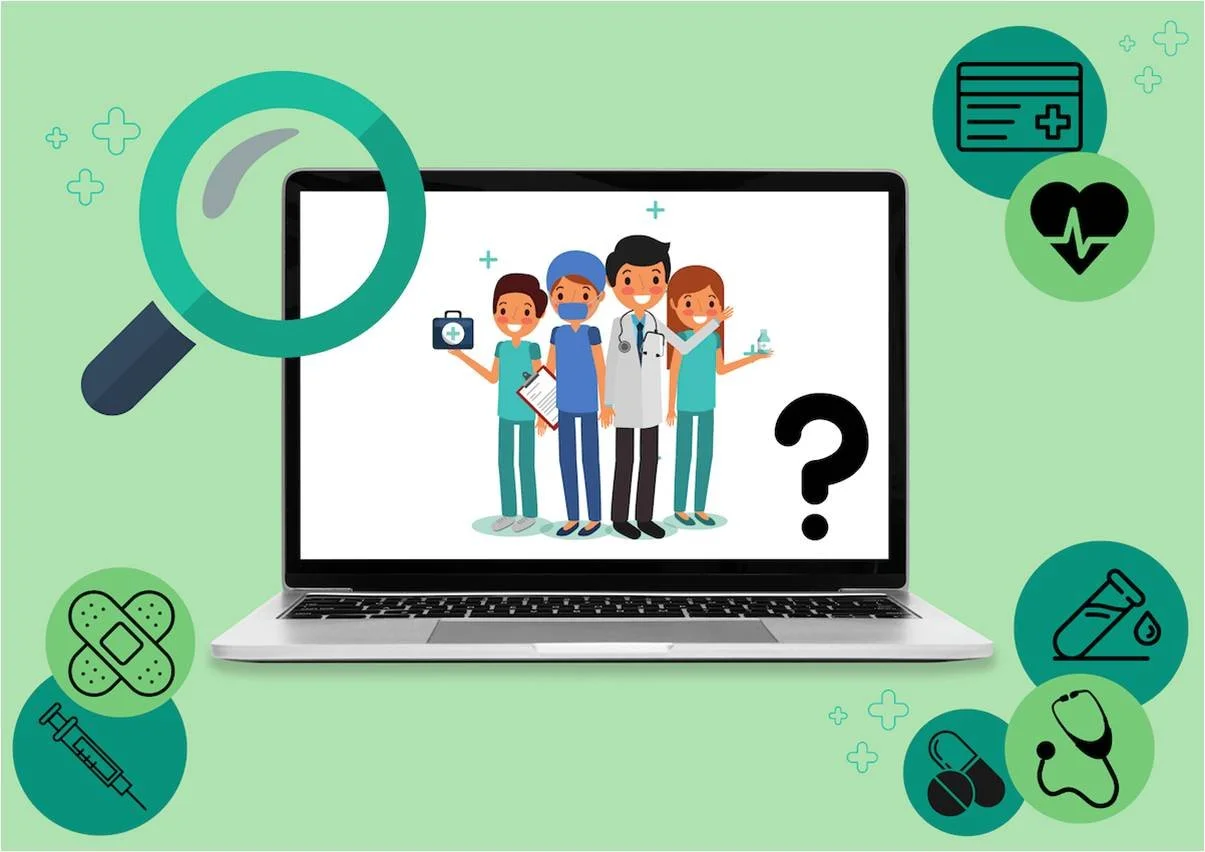
Is Online Health Information Healthy?
Read the blog post

Terry Newell is currently director of his own firm, Leadership for a Responsible Society. His work focuses on values-based leadership, ethics, and decision making. A former Air Force officer, Terry also previously served as Director of the Horace Mann Learning Center, the training arm of the U.S. Department of Education, and as Dean of Faculty at the Federal Executive Institute. Terry is co-editor and author of The Trusted Leader: Building the Relationships That Make Government Work (CQ Press, 2011). He also wrote Statesmanship, Character and Leadership in America (Palgrave Macmillan, 2013) and To Serve with Honor: Doing the Right Thing in Government (Loftlands Press 2015).
The Internet is awash with health information. Some of it is helpful but some is not.
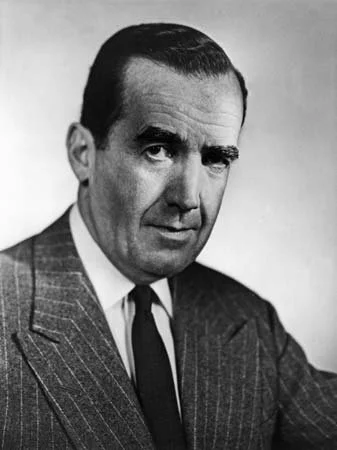
In the early 1950s Sen. Joseph McCarthy claimed, without evidence, that communists pervaded the government. Newscaster Edward R. Murrow argued McCarthy endangered democracy.
We may think political opponents on an issue are immoral, but they just may give more weight to certain moral foundations than we do. Knowing this might help us work with them better.
James Madison, a chief architect of the Constitution, warned about majroity tyranny.
Generative AI’s has exceptional abilities to help us complete cognitive tasks, but ill-use runs the risk of outsourcing and degrading our ability to think.
Faced with serious threats to America’s future, we need statesmen and stateswomen with will, steadfastness and the courage to risk their seats in the halls of power for future generations.
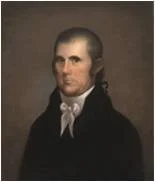
John Marshall prevented a Federalist Party coup twice against Democratic-Republican Thomas Jefferson in the presidential election of 1800, ensuring the nation’s first peaceful transition of power across party lines.
Americans seem overtaken by pessimism about our future. The negativity bias built into our genes contributes to this, but there are ways to limit its impact and become more hopeful.
Education in the humanities was a strength of many of the nation’s founders but gets far too little attention today despite its importance to preserving the republic they created.
As Nazi forces overwhelmed France in June 1940, Walter Lippmann told his 30th Harvard Reunion class that they could no longer take life’s easy way if Western Civilization was to survive.
Extreme political polarization seems impossible to address, but there are some hopeful signs.
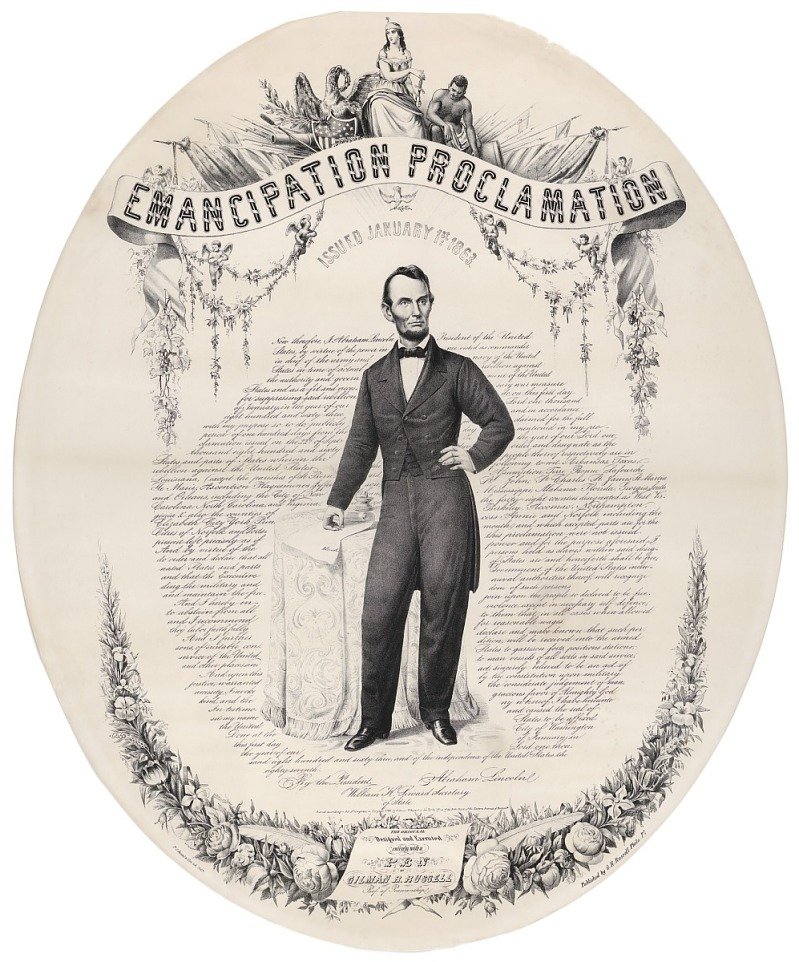
Lincoln found a way to end slavery while adhering to the Constitution. It required political savvy, prudence and courage.
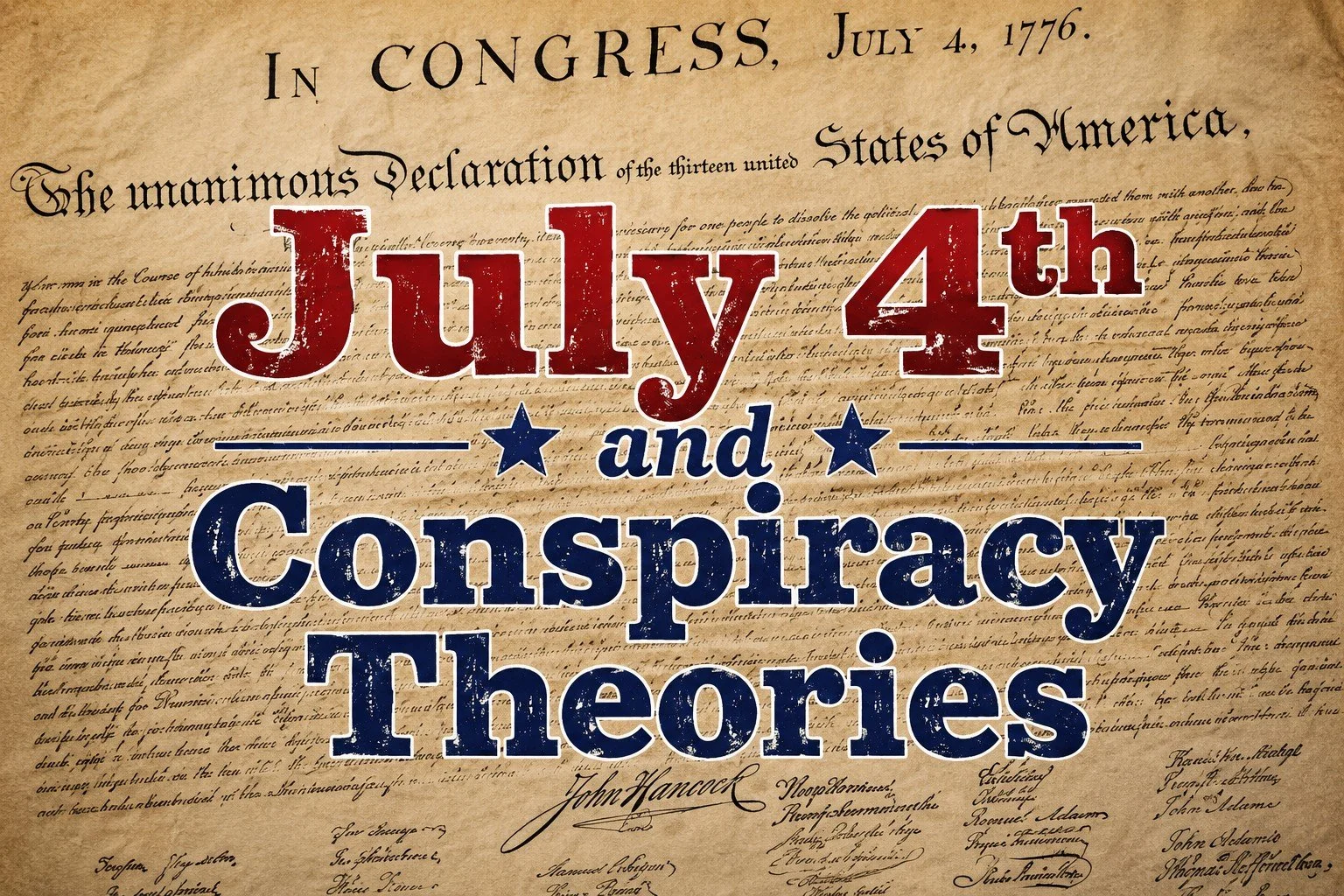
Unfounded conspiracy theories endanger democracy. When the Founders adopted the Declaration of Independence, they expected citizens to use reason to realize their dream for a new nation.
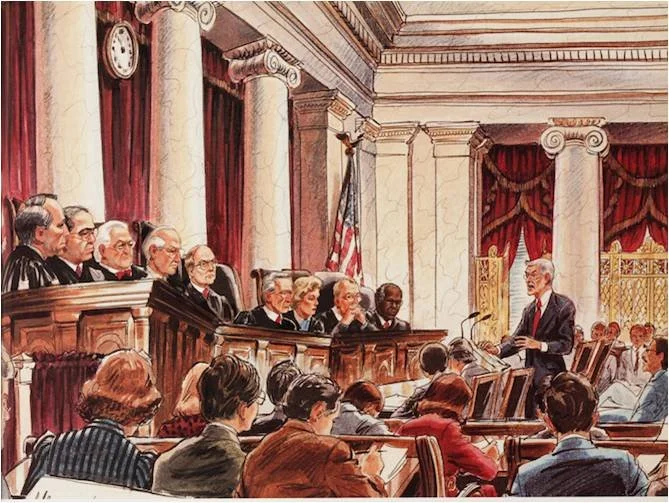
Approval of the Supreme Court has diminished but we should nevertheless view it as a civics classroom about how to engage with each other about public issues.
We can too easily forget those whose love and sacrifice made our lives possible. My grandfather was such a man.
Politicians who change their minds may be called inconsistent or worse. Yet sometimes the change is a sign of statesmanship. Here are some guidelines to tell the difference.
People suffer psychologically and physically when their lives lack purpose and meaning. Whether young, lonely, unemployed, retired and/or elderly, people need a society that cares.
Gerrymandering and the size of House districts are contributing to Americans’ dissatisfaction with democracy. Some possible remedies face strong headwinds.
Faith and democracy can both thrive when adherents of both practice humility, tolerance and work civilly with each other.
Artificial intelligence now makes it possible to “communicate” with people who have died. But is that a good thing?